
A well-designed business card leaves a strong first impression and reinforces your brand. Canva makes it Business cards can impact both your brand and legal standing. Avoiding common design errors and complying with UK laws ensures your contact details leave the right impression.
A business card may be small, but it can have a powerful impact. Done right, it helps build trust and leave a lasting impression. Done wrong, it can damage your credibility—or worse, lead to legal complications under UK law. Whether you’re a sole trader, partnership or limited company, this guide will help you avoid costly mistakes and get your professional business cards working harder for your brand.
Why Business Cards Still Matter in the UK
Despite the rise of digital tools, business cards remain essential across the UK. They’re widely used at trade shows, client meetings, and networking events. A well-designed card offers more than just contact information—it signals professionalism and leaves a tangible reminder of your services.
- Quick and reliable way to exchange contact details
- Strengthens brand visibility and consistency
- Encourages face-to-face follow-up
- Still expected in professional UK business culture
Printed stationery—including business cards—continues to support effective branding for UK-based SMEs and sole traders. Learn more about custom stationery options here.
Top Business Card Mistakes That Undermine Your Brand
Even a well-intentioned design can fall flat if you make these common errors:
- Overcrowded layouts – Cramming in too much information creates confusion.
- Poor print quality – Use at least 300gsm stock and sharp images.
- Illegible fonts or colours – Always prioritise clarity and contrast.
- Outdated or incomplete details – Always double-check contact info.
- Unbranded email addresses – Use a domain-based email address.
- No clear call to action – Prompt action with a QR code or booking link.
- Wasted reverse side – Use it for testimonials or promo offers.
What the Law Says: Business Card Requirements in the UK
According to the Companies Act 2006, all UK limited companies are legally required to display the following details on business correspondence, including business cards:
- Full registered company name
- Company registration number
- Place of registration (e.g. England and Wales)
- Registered office address
While the Companies Act 2006 does not impose the same disclosure rules on sole traders or partnerships, it is still considered best practice in the UK to include a trading name, business address, and contact details. If trading under a separate name, add “Trading as [Business Name]”.
Refer to Companies House guidance for more details.
GDPR and Business Cards: What You Need to Know
Under the UK General Data Protection Regulation (UK GDPR) and the Data Protection Act 2018, any business that collects or stores personal contact details—such as those found on business cards—is considered a data controller and must meet legal obligations. This applies whether you’re adding the contact to a CRM, emailing them, or using the information for future marketing.
Key responsibilities include:
- Lawful basis – e.g. consent or legitimate interest must be established.
- Transparency – let contacts know how you’ll use their data.
- Retention – don’t store contact info longer than needed.
- Security – implement proper digital protection.
- Opt-out rights – always offer the ability to unsubscribe.
Under PECR, sole traders must give consent for marketing emails. For limited companies, you may use legitimate interest but must still provide an opt-out. Visit the ICO website for full compliance details.
Designing a Legally Compliant Business Card
A compliant card doesn’t have to be plain. The goal is to balance design with required legal information:
- Include company name, number and registered address (if Ltd).
- Stick to standard UK dimensions for business cards: 85mm x 55mm.
- Use clean, legible fonts with generous spacing.
- Leave space for trim (3mm bleed recommended).
- Add a note if collecting data: “Contact details may be retained for business use. You may unsubscribe at any time.”
Design smartly and responsibly—your brand reputation depends on it.
Business Card Review: Your Final Compliance & Design Checklist
Design Essentials
- Contact information is accurate and up to date
- Layout is balanced and easy to read
- Printed on at least 300gsm stock
- Reverse side used for extra value or branding
Legal and GDPR Considerations
- Includes company name, number and registered office (if applicable)
- Personal data is stored securely and lawfully
- Consent obtained before adding to mailing lists
- Clear opt-out provided for communications
Conclusion
Your business card is more than a name and number—it’s a reflection of your brand and a legal touchpoint. Avoid design flaws and meet legal obligations to make your cards memorable for all the right reasons.
Choose high-quality print, double-check your content, and ensure you’re compliant with UK laws on data and disclosure. A small card can go a long way.
*this article is not intended as any form of advice and acts purely as an educational tool.
A well-designed business card leaves a strong first impression and reinforces your brand. Canva makes it simple to create print-ready cards using UK sizing, brand elements, and digital enhancements like QR codes.
In a world dominated by digital communication, a well-designed business card still holds weight. It’s a tangible reminder of who you are, what you do, and how to get in touch. Whether you’re a freelancer, small business owner, or part of a growing company, learning how to design business cards using Canva gives you full creative control—without the need for professional design software.
In this guide, you’ll discover how to:
- Choose the right Canva template for standard UK business card sizes
- Customise your design with branding, fonts, and layout
- Add interactive features like QR codes
- Export a print-ready PDF for professional-quality results
Let’s get started on creating a business card that leaves a strong impression.
Choose the Right Canva Template for UK Business Cards
Before you start designing, it’s important to choose a template that matches UK business card dimensions. The UK standard size is 85mm × 55mm, and Canva offers a variety of templates that support this format.
- Use Canva’s search bar to browse templates by style—minimal, corporate, creative, etc.
- Enable the 3mm bleed on all sides to ensure nothing important is trimmed during printing.
- Choose templates with fully editable layers, allowing easy rearrangement of elements.
Getting the dimensions right from the outset will help ensure a smoother print process and a more professional final product.
Customise Your Business Card to Reflect Your Brand
Now it’s time to make the design your own. A strong business card reflects your brand personality and communicates essential details clearly.
- Upload your logo in high resolution and position it consistently across designs.
- Use your brand colours by entering specific HEX codes for accuracy.
- Select clear, professional fonts that align with your brand tone—avoid using more than two styles.
- Apply a visual hierarchy: your name and job title should stand out, followed by contact details.
Design checklist:
- ✅ Logo is sharp and properly aligned
- ✅ Colour palette matches existing branding
- ✅ Fonts are legible and stylistically consistent
- ✅ Layout is balanced with enough white space
Add Smart Features Like QR Codes and Icons
Make your business card more functional by integrating digital elements that drive engagement.
- QR code: Link directly to your website, online portfolio, or LinkedIn profile. Canva allows you to generate this within the editor.
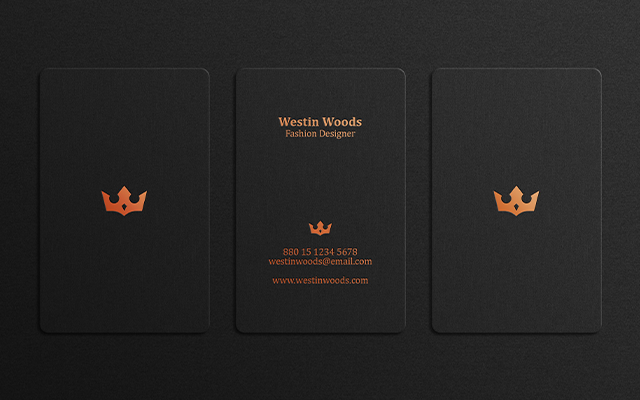
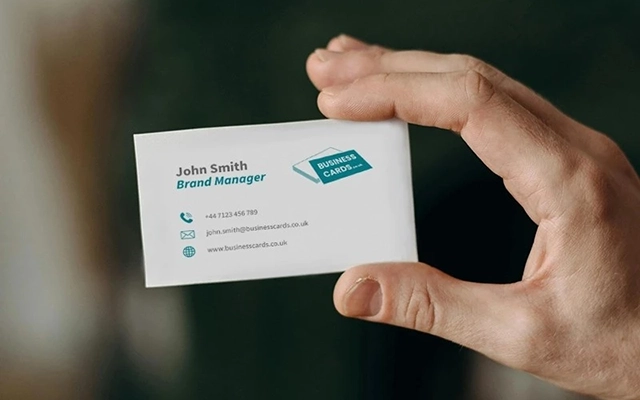
- Contact icons: Use clean, professional icons for phone, email, and social media to improve clarity.
- Clear contact details: Double-check for accuracy and formatting consistency.
Digital touches like these make it easier for recipients to connect with you across platforms.
Export Your Canva Design for Professional Printing
To achieve a sharp, professional finish, your final file must meet print specifications.
How to export:
- Click “Share” → “Download”
- Choose PDF Print
- Tick Crop marks and bleed
- Confirm image resolution is 300dpi for clarity
- Preview the final version before sending to print
Final checks before export:
- ✅ Bleed and crop marks are enabled
- ✅ Text and images are high-resolution
- ✅ Spelling and spacing have been reviewed
- ✅ Content aligns properly on all sides
Canva Free vs Pro: Which Is Better for Business Card Design?
Canva’s free version is a great starting point, but Canva Pro offers tools that can streamline the process and improve brand consistency—especially for businesses managing multiple designs.
- Access to premium templates, fonts, and stock imagery
- The Brand Kit tool, which stores your fonts, colours, and logos
- Magic Resize and advanced export options
- Team collaboration features for shared design assets
If you regularly create marketing materials or need multiple versions of a card, Canva Pro offers long-term value and efficiency.
Design Tips to Help Your Business Card Stand Out
- Focus on one strong element, like your name or logo
- Use space wisely to avoid clutter—white space is your friend
- Ensure contrast between background and text for easy reading
- Align elements using Canva’s guides and snapping tools
- Avoid unnecessary flourishes—simplicity keeps your card professional
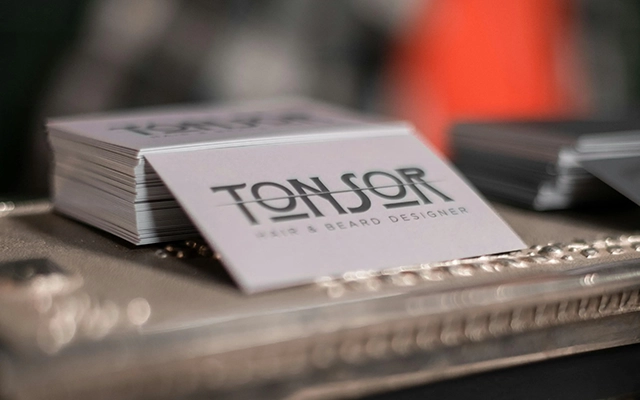
A business card isn’t just a contact tool—it’s a visual extension of your brand identity. Creative formats like rounded corner business cards or folded business cards can also help your design stand out while remaining professional and practical.
Final Review Before Printing or Sharing
Before sending your card to print or sharing it digitally, take a few minutes for a final quality review.
- ✅ All text is accurate and error-free
- ✅ Font sizes and colours are consistent
- ✅ Images and icons are sharp
- ✅ Contact details are up to date
- ✅ File is exported as PDF Print with bleed
Conclusion: Design with Confidence Using Canva
Designing business cards in Canva is a simple yet powerful way to take control of your professional image. By using the right template, applying your brand assets, and following best practices for layout and export, you can produce print-ready business cards that support your goals—whether you’re networking, packaging products, or preparing for an event.
Ready to create your own? Open Canva now and start designing with confidence. Once you’re done, take a look at our business stationery printing services to bring your design to life!
Business cards—digital or physical—can still deliver measurable returns when tailored to industry needs, aGloss finishes amplify colour intensity and deliver a sleek, polished look, while matt finishes offer superior readability, a professional texture, and a writable surface. Choosing between them depends on your brand tone, card usage, and how you want recipients to experience your design.
When printing business cards, product inserts, or promotional materials, one overlooked detail can influence how your audience perceives your brand: the card’s finish. While gloss and matt are the most common options, the right choice depends on design intent, industry expectations, and practical function.
This article compares gloss and matt finishes and introduces additional considerations like card weight and coating types—so you can select a finish that reflects your message as well as your brand identity.
Gloss vs Matt: What’s the Real Difference?
The distinction between gloss and matt is more than just shine. It affects not only appearance but also how your card feels, performs, and ages.
- Gloss features a shiny, reflective surface that intensifies colour and gives a high-impact finish. It’s smooth to the touch and eye-catching in light.
- Matt has a non-reflective surface with subtle texture. It diffuses light, improves legibility, and conveys understated professionalism.
In essence, gloss delivers visual punch, while matt offers clarity and tactility.
Understanding Paper Weight and Thickness (GSM)
Finish isn’t the only element that determines how premium your card feels—paper weight plays a crucial role. Measured in grams per square metre (GSM), weight influences thickness, rigidity, and durability.
- 300 GSM is the industry standard for business cards—sturdy enough for frequent handling but still flexible.
- 400–450 GSM is considered a premium option, offering a more luxurious, rigid feel suitable for high-end brands or executive-level presentations.
In the UK, a typical 14 pt card (approx. 0.014 inches thick) equates to roughly 300–350 GSM. If you’re aiming to impress, consider using 400+ GSM stock for an extra sense of quality and professionalism.
Why Choose Gloss Finish? Pros and Considerations
Gloss is designed for impact. The reflective surface enhances colour saturation, making bright hues pop and photographic elements more vibrant. It’s a popular choice for businesses aiming to stand out in visually competitive environments.
- Visual intensity: Bold, sharp graphics benefit from gloss’s light-reflective properties.
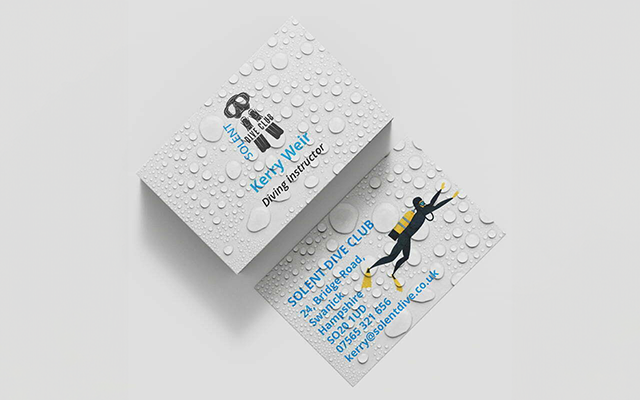
- Durability: Glossy coatings provide a light protective barrier against moisture and wear.
- Professional sheen: A smooth, sleek texture that grabs attention.
Drawbacks:
- Gloss can create glare, making text difficult to read under bright light.
- It is less suitable for cards that require handwritten notes, as ink tends to smudge.
- Fingerprints are more noticeable on darker, glossy surfaces.
Gloss finishes are well-suited for full-bleed images, photography portfolios, and creative industries that thrive on visual storytelling.
Why Choose Matt Finish? Strengths and Drawbacks
Matt finishes offer a refined appearance with practical benefits. The soft, non-reflective texture is easy on the eyes and ideal for readability. It’s also more forgiving when handled, making it the preferred option for cards used frequently or written on.
- Readability: The low-glare surface makes text easier to read under bright lights or natural daylight.
- Writable: Ink pens and pencils work effortlessly on matt cards, making them suitable for appointment notes or signatures.
- Resistant to smudges: Matt coatings conceal fingerprints better than gloss, especially on darker colours.
Points to consider:
- Colours may appear slightly muted due to light diffusion.
- Soft-touch matt finishes may have a higher production cost.
Matt finishes are popular for business cards, loyalty cards, corporate stationery, and any printed material where legibility and durability are prioritised.
Finish vs Coating: What’s the Difference?
While often used interchangeably, “finish” and “coating” refer to different parts of the card production process. Understanding the distinction helps ensure you select the right specifications for your project.
- Finish refers to the final surface texture and sheen (e.g. gloss, matt, silk).
- Coating is the protective layer applied to the card stock to produce that finish. Coatings can affect durability, writability, and tactile feel.
This distinction matters when combining finishes—such as applying a spot UV coating to a matt background—to enhance certain elements without compromising overall functionality.
Beyond Gloss and Matt: Other Card Finish Options
If neither gloss nor matt feels quite right for your brand, consider more advanced or hybrid finishes:
- Spot UV: A high-gloss UV coating applied to specific areas (like logos or names) over a matt surface to create contrast and texture. Common in design-forward industries that want to offer luxury business cards.
- Uncoated: No protective coating applied. Offers a natural paper feel and is ideal for writing. Often used in medical or appointment-heavy professions.
- Soft Touch: A velvety matt finish that feels high-end to the touch. Popular in boutique retail and tech sectors for its luxurious texture.
Choosing the right finish might mean combining textures for effect, or selecting a minimalist option for practicality.
Best Card Finishes by Industry
Different professions have different needs. Here’s how finish choice can align with industry expectations and card use-cases:
| Industry | Recommended Finish | Why It Works |
|---|---|---|
| Corporate / Legal | Matt or Soft Touch | Clean and professional; easy to read; understated tone |
| Design / Creative | Gloss or Spot UV | Enhances visuals and shows off design work |
| Healthcare / Medical | Uncoated or Matt | Writable surface for notes or appointments |
| Real Estate / Retail | Gloss | Bold imagery and durability during high handling |
| Luxury Brands | Soft Touch + Spot UV | Premium tactile impression with visual accents |
Real-World Perspectives & Industry Insights
Insights from UK printers and professionals highlight practical differences in performance between gloss and matt finishes:
- Matt cards are consistently preferred for high-legibility designs. The lack of glare makes text and QR Codes easier to read and scan in various lighting conditions.
- Gloss is favoured where colour vibrancy and brand recall are critical—particularly in industries like beauty, fashion, or hospitality.
- Feedback from design forums shows that creatives often opt for matt or soft-touch to showcase tactile quality and allow for note-taking during networking.
These real-world insights reinforce the idea that the best finish isn’t universal—it depends on purpose, industry, and how the card is meant to be used.
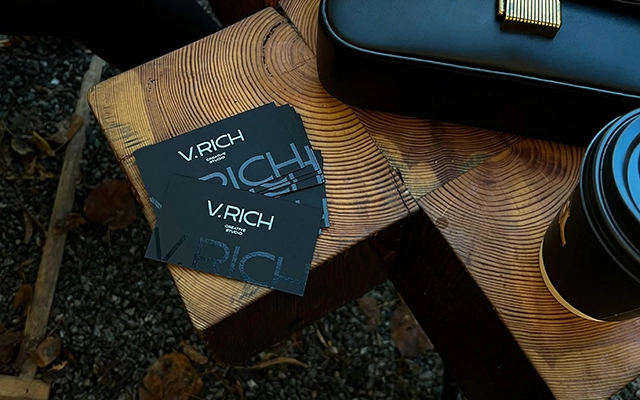
Top Tips for Choosing the Right Card Finish
- Define your card’s purpose: Is it purely visual, or do you want recipients to write on it?
- Match finish to brand tone: A modern tech company might opt for soft touch; a vibrant retailer might choose gloss.
- Consider the lighting environment: If cards are handed out in brightly lit spaces, matt reduces glare for better readability.
- Request printed samples: Physically compare gloss, matt, and hybrid finishes before finalising your print run.
- Use hybrid finishes creatively: Spot UV on a matt base can draw attention to key details like your logo or call to action.
Conclusion: Which Finish is Right for You?
There’s no one-size-fits-all finish. The best option depends on your design, how the card will be handled, and what message you want it to convey.
- Choose gloss for eye-catching visuals, rich colours, and high-impact first impressions.
- Choose matt for sophistication, readability, and practicality—especially when writing space is needed.
- Explore hybrid finishes like soft touch or spot UV to combine tactile appeal with visual highlights.
By understanding how each finish performs and feels in the hand, you can ensure your cards aren’t just attractive—but functional and memorable, too.
Ready to print cards that reflect your brand’s identity? Choose the finish that looks sharp, feels right, and leaves a lasting impression in every hand it touches.
Business cards—digital or physical—can still deliver measurable returns when tailored to industry needs, audience expectations, and design quality. UK entrepreneurs are discovering that thoughtful card design aligned with brand strategy significantly improves response and conversion rates.
In a fast-moving, digital-first business climate, it’s fair to question whether traditional business cards still provide value. For many UK entrepreneurs, the answer depends on how effectively cards are designed, used, and aligned with brand strategy and sustainability. Whether physical or digital, business cards can still deliver strong returns when integrated with a broader networking approach.
This article explores real-world ROI, industry-specific preferences, design psychology, and strategic insights that help turn business cards into high-performing assets.
What Is Business Card ROI—and Why It Still Matters
Business card ROI refers to the tangible value generated from the time, effort, and money invested in creating and distributing business cards. In the UK, professionals continue to view cards as essential at exhibitions, client meetings, and industry networking events.
- New contacts or leads generated
- Follow-up success and conversion rates
- Revenue linked to initial contact via business card
- First impressions and brand recall
When designed with intention, business cards do more than share contact details—they shape perceptions, reinforce credibility, and open doors.
Industry Preferences: What Works Where?
Design expectations vary widely between sectors. Based on user testing and feedback across UK industries:
- Designers: Prefer minimal, neutral cards with left or right-aligned logos. Avoid centre-aligned elements.
- Estate agents: Respond to bold colours and large contact details placed front and centre.
- Personal trainers: Favour big central logos and bright colours that reflect energy and branding.
- Tradespeople: Prioritise bold branding with a prominent logo, often left-aligned.
- Sales and marketing: Value clean, fuss-free layouts with clear hierarchy and easy navigation.
Aligning your card design with industry norms boosts the chance of recall and professional credibility—two factors that directly influence ROI.
The Psychology of Colour in Business Cards
Colour choice significantly affects how your card is received. In biometric studies, white, yellow, and blue scored highest across industries. Here’s how colours perform psychologically:
- White: Clean, precise, and professional. Ideal for legal, finance, and tech.
- Yellow: Cheerful, optimistic, and attention-grabbing. Great for education and creative sectors.
- Green: Symbolises wealth or sustainability, depending on the shade.
- Blue: Conveys trust, calm, and reliability—widely accepted across industries.
Choosing a colour that aligns with your brand personality improves first impressions and supports positioning—key to card-driven engagement.
Physical vs Digital Business Cards: Which Performs Better?
Physical Business Cards
- Pros: Tangible, memorable, and great for face-to-face impressions.
- Cons: Static data, costly reprints, and difficult to track usage.
Digital Business Cards
- Pros: Shareable, trackable, and updateable in real time. Integrated with CRM tools.
- Cons: May lack tactile impact in traditional industries.
| Feature | Physical Cards | Digital Cards |
|---|---|---|
| Impression Quality | High tactile impact | Modern, tech-forward feel |
| Update Flexibility | Reprint required | Instantly editable |
| Trackability | Not trackable | Analytics-enabled (clicks, views, scans) |
| Sustainability | Requires paper, ink, and shipping | Paperless and reusable |
| Cost Over Time | Lower per unit in bulk | Higher upfront, lower lifetime cost |
According to a 2025 UK industry forecast by Market Research Future, the digital business card market is valued at £8.17 billion, with rapid growth projected through 2035. This reflects a growing preference among UK professionals for contactless, trackable networking formats that integrate with digital tools.
Common Mistakes That Reduce ROI
- Cluttered or misaligned layouts
- Overuse of colours or low-contrast fonts
- Flimsy stock or poor print quality
- Omitting key contact info (e.g. phone or website)
- Choosing the wrong size or unreadable font
Avoiding these pitfalls ensures your business cards project confidence, clarity, and professionalism—helping every card pull its weight.
5 Ways to Improve Business Card ROI in 2025
- Design with Purpose: Use fonts, finishes, and layout that align with your brand message and values.
- Use a Call to Action: Add a QR code or incentive for recipients to connect.
- Format for the Context: Printed for in-person; digital for remote or tech-first audiences.
- Track and Test: Use unique links or manual logs to monitor engagement.
- Refresh Annually: Update your card as your offer, team, or brand evolves.
Conclusion: A Smarter Way to Use Business Cards
Premium business cards are still delivering value across the UK—but only when designed with strategy and used with intention. From law firms to creative startups, the format, message, and material all influence ROI.
Align your card’s purpose with your audience’s expectations and invest in design choices that drive action. Whether printed or digital, every card can open a door when it’s built to perform.
Review your card strategy today: is your current approach helping or holding you back?
Business cards continue to deliver value in 2025 by reinforcing trust, improving recall, and enabling personal connections at key moments. Used strategically across in-person events, client meetings, and casual conversations, they remain a relevant and reliable marketing tool in the UK and beyond.
Despite the rise of digital networking, business cards remain one of the most effective tools for professionals in the UK—when used strategically. More than just a way to share contact details, they help reinforce your brand, make a memorable impression, and open the door to future opportunities. In this article, you’ll discover the best places to use business cards in 2025, explore international etiquette insights, and discover modern design ideas that make your cards impossible to ignore.
Why Business Cards Still Work in 2025
Digital alternatives are widely used, but business cards continue to offer advantages that virtual tools can’t fully replicate. They provide an immediate, tactile connection that strengthens first impressions and helps ensure your details are remembered.
- Tangible connection – A physical card helps build trust and credibility during conversations.
- Professional presentation – A well-designed card reflects your attention to detail and brand consistency.
- Offline readiness – Business cards are useful in places where Wi-Fi or digital access isn’t practical.
According to Ipsos UK, fewer than 25% of adults still actively use business cards, yet those who do tend to stand out in traditional networking environments[source].
The Best Places to Hand Out Business Cards in the UK
Knowing where to distribute your business cards can make all the difference. From formal business events to chance encounters, timing and context are everything.
Networking Events and Conferences
- Business expos and trade shows
- Industry panels, forums and exhibitions
- Local business meetups and breakfast clubs
Client Meetings and Consultations
- Service briefings, discovery calls or site visits
- Post-pitch leave-behinds or presentation handovers
Community Spaces and Casual Interactions
Cards don’t need to be handed out only at professional venues. Many successful professionals generate leads through everyday interactions in more relaxed environments.
- Train journeys, shared taxis, or casual introductions
- Local cafés and coworking spaces
- Library and community centre noticeboards
Business Card Etiquette Around the World
If you work across borders or attend international trade shows, understanding regional etiquette can help you avoid costly cultural missteps. Here’s how expectations vary by region:
Asia
- Japan – Present your card with two hands, bow slightly, and take time to read the card you receive. Keep it on the table during the meeting.
- China – Cards should be dual-language (English and Simplified Chinese). Present and receive with both hands. Never write on the card.
- India – Use the right hand only. Handing over a card early in the conversation is standard. Always carry plenty of copies.
North America
- USA – Exchange is casual. Hand out cards once a conversation becomes business-relevant. Writing on the back is acceptable.
- Canada – Bilingual cards (English/French) are appreciated in some provinces. Otherwise, US etiquette generally applies.
Europe
- France – Cards should include French on one side. Your surname in uppercase is common etiquette. Job applicants may also use business cards.
- Germany – Cards are seen as private. Give only to those with whom you’ve established a meaningful business relationship.
- UK & Ireland – Etiquette is relaxed. Cards can be handed out at any point, but keeping them neat and professionally presented is expected.
Middle East
- Always use your right hand to give and receive cards.
- Business card exchanges are relaxed in the UAE and Bahrain, but it’s essential to have plenty of cards on hand.
Being aware of these regional customs shows cultural sensitivity and positions you as a respectful, well-prepared professional.
Creative and Strategic Business Card Design Trends
Today’s business cards go far beyond name and number. Strategic design choices can help you stand out in a competitive marketplace and leave a lasting impression.
1. Experimental Shapes and Sizes
- Rounded corners – Softer, approachable aesthetic with a premium finish.
- Square or slim cards – Compact, modern layouts that challenge convention.
- Vertical orientation – Distinctive format that adds visual flow to logos and type.
- Die-cut business card shapes – Custom silhouettes like your logo or product shape add novelty.
2. Typography and Simplicity
Typographic identity – Use custom or hand-lettered fonts to reinforce branding.
Oversized type – Emphasise your name, title or core message boldly.
Minimal layouts – Clean lines and negative space that speak to modern sophistication.
Interactive, Tactile and Sensory Finishes
Design isn’t just visual—it’s physical. Tactile elements and unexpected interactivity make your card memorable even after it’s put away.
3. Texture and Depth
- Embossing or debossing – Add dimension through raised or recessed print.
- Foil accents – Metallic elements (like gold or copper) enhance premium appeal.
- Painted or coloured edges – Subtle but effective pops of colour that stand out in a stack.
4. Material Innovation
- Textured paper stocks – Linen, cotton or recycled card create a unique tactile experience.
- Transparent plastic or wood veneer – Materials that reflect innovation or sustainability.
- Thicker cardstocks – Durable and impressive, often used for premium services or creative fields.
Personalisation and Interactive Features
A small detail can make a big difference. Adding an element of personal interaction to your cards helps build genuine connections.
- Foldable cards – Turn your card into a tent or booklet with added info, testimonials or images.
- Cut-outs or pop-ups – Create dimension with simple engineering or surprise reveals.
- Sleeves or holders – Add premium flair by wrapping your card like a gift.
- Handwritten elements – Leave space to write a thank-you or note that personalises the interaction.
- Multiple designs – Create variations for different audiences or to reflect different services.
These small enhancements make your cards not only beautiful, but meaningful and memorable.
Make Every Card Count
Business cards are more than just a formality—they’re a reflection of how you communicate, what your brand represents, and how serious you are about building connections.
Whether you’re preparing for a conference, closing a sale, or meeting someone in a lift, the right business card can make you unforgettable.
Looking for custom-printed business cards that make an impression?
Explore our full range of business stationery printing with free UK delivery →
Luxury business cards allow legal and consultancy professionals to reinforce trust, credibility, and attention to detail through exceptional design and quality. Combining premium materials with modern functionality, they create stronger first impressions and lasting professional connections.
In legal and consultancy professions, trust and credibility are everything. Your business card is often the first tangible representation of your brand—more than just a way to share contact details, it’s a reflection of your professional identity. Luxury business cards allow you to present yourself with distinction. By combining premium materials, thoughtful design, and functional features, these cards can enhance your reputation, encourage engagement, and position you as a professional who pays attention to every detail.
Why Luxury Business Cards Are on the Rise in the UK
Across the UK, more lawyers and consultants are turning to premium business cards to strengthen their personal brand. In sectors where credibility drives client relationships, the quality of your business card can directly influence first impressions.
According to Global Growth Insights, the luxury business card market is expected to surpass £500 million globally by 2033[1]. As in-person interactions regain prominence, having a tangible representation of your values and image becomes a key differentiator.
What Defines a Luxury Business Card?
A luxury business card is characterised by craftsmanship, materials, and purpose-led design. It feels distinctive in hand and signals professionalism from the outset.
- Premium materials: Soft-touch cotton, textured paper, recycled board, acrylic, or metal
- Finishing techniques: Foil stamping, letterpress, embossing, debossing, edge painting
- Card weight: Duplex or triplex constructions starting at 600gsm
- Design details: Clean typography, minimal layouts, and subtle brand accents
These cards stand out without being loud. Every detail should reflect your commitment to quality and clarity—principles at the heart of professional services.
Shapes and Sizes: Subtle Design That Sets You Apart
While the standard rectangular shape remains popular, luxury business cards offer opportunities to differentiate through format. Square cards are ideal for minimalist layouts, while slimline or mini cards offer a refined, contemporary look.
The shape should suit your professional image: classic rectangle for conservative roles, or modern formats for consultants in creative industries. Rounded corners can add softness and individuality without departing from elegance.
Choosing the Right Layout: Single or Double-Sided?
Deciding whether to use one or both sides of the card depends on your design needs. A single-sided card keeps things clean and minimal, ideal for roles where discretion is key. Double-sided layouts, however, allow you to separate your logo from your contact details or include a call-to-action, QR code, or tagline.
For legal professionals, this flexibility helps maintain a refined aesthetic while including all essential information. You could even consider folded business cards for added content and flexibility.
Designing Business Cards for Legal and Consultancy Professionals
Effective business card design for solicitors, barristers, and consultants must combine style with clarity. Clients expect professionalism, and your card should mirror the standards you uphold in your work.
- Full name and regulated job title
- Firm name and logo
- Contact details (phone, email, office address)
- Optional QR code linking to your profile or booking calendar
- Consistent fonts, colours, and brand assets
Keep layouts spacious and readable. A well-balanced card with subtle features—such as a blind-embossed crest or foil monogram—can enhance perception without overwhelming the message.
Card Finishes and Coatings That Enhance Prestige
The tactile experience of a card can be just as impactful as the design. Finishes such as velvet lamination provide a soft-touch texture, while gloss creates high visual contrast and matte offers subtlety and smoothness. The right coating complements your visual identity and reinforces premium quality.
Rounded or bevelled edges can further distinguish the card, giving it a refined silhouette and helping it stand out in any stack.
Stay Compliant with SRA and Industry Guidelines
For legal professionals in the UK, business cards must align with guidance set out by the Solicitors Regulation Authority (SRA). Misleading information or exaggeration can breach advertising standards and damage your credibility.
- Only use verified job titles and accreditations
- Avoid promotional terms like “leading” or “top-rated”
- Include your firm’s name as registered with the SRA
- Ensure all branding and contact details are accurate and up to date
Consultants in regulated fields should also follow relevant marketing standards to maintain transparency.
Information Hierarchy: Keep It Clear and Concise
Luxury cards should never feel cluttered. Prioritise clarity by establishing an effective information hierarchy. Start with your name and title, followed by essential contact details. If applicable, include a tagline or service summary that subtly highlights your speciality or location—for example, “Based in Mayfair, London” or “Expert Legal Counsel for Tech Firms.”
Keep the message clear enough to be understood in under 30 seconds. If it feels busy, reduce elements or restructure for better balance.
Sustainable Choices for Ethical Professionals
Professionals are increasingly conscious of sustainability—and your business card can reflect that. Today’s eco-friendly options are both ethical and impressive.
- FSC-certified recycled card stocks
- Biodegradable cotton papers
- Vegetable-based inks and waterless print methods
Choosing sustainable options shows foresight and responsibility, values that clients in legal and advisory roles increasingly expect.
If sustainability is a priority across your printed materials, explore custom business stationery printing for more environmentally responsible branding tools.
Adding Functionality: NFC, QR Codes, and Hybrid Features
Luxury doesn’t mean outdated. Many professionals are integrating modern functionality into premium card designs to bridge the gap between physical and digital.
- QR codes: Directing contacts to online profiles, testimonials, or booking forms
- NFC technology: Enabling contactless sharing of details with a tap
These additions streamline follow-up and provide value without detracting from the visual appeal. They’re especially useful for professionals looking to increase engagement during networking events.
Real-World Success with Luxury Business Cards
One senior barrister based in London made the switch to triple-thick navy cotton cards with gold foil and embossed initials. These bespoke cards became a talking point at events and led to stronger follow-up conversations with prospective clients.
A management consultant using metal cards embedded with NFC chips saw a 30% rise in profile views and post-meeting engagement. The combination of physical quality and seamless digital access made a lasting impression.
These real-life examples show how luxury business cards can help build relationships—not just contacts.
Conclusion: A Small Investment with Strategic Value
In competitive and trust-based industries, your business card is a tool for influence. A luxury card communicates care, credibility, and distinction. It signals to clients that your standards are consistent across every touchpoint—from your work to your branding.
Whether you’re refreshing your image or launching a new practice, the right business card can make a lasting impression where it matters most.
Looking to reinforce your professional presence? Explore high-quality options tailored to lawyers and consultants. Show clients your attention to detail starts long before the first consultation.
Printed and digital business cards each serve distinct branding purposes, depending on your sector, goals, and audience. While printed cards offer tangible impact, digital cards support flexibility and sustainability—many UK businesses now combine both.
As UK businesses embrace digital transformation, the humble business cards face a crossroads. Should you go fully digital, stick with a traditional printed format, or consider a combination of both?
In this guide, we explore the key differences between digital and printed business cards, their benefits and limitations, and how to decide which option best suits your brand, sector, and sustainability goals.
Why Business Cards Still Hold Value in a Digital Age
Despite the growing use of smartphones and online networking tools, business cards remain relevant—particularly in industries where face-to-face interaction plays a key role.
Physical cards offer a tactile experience that digital alternatives can’t fully replicate. Studies suggest touch increases memory and brand recall, making printed cards a powerful asset during meetings, conferences, and introductions. In sectors like design, architecture, and consultancy, the impression created by a high-quality card can speak volumes about your professionalism and attention to detail.
Printed Business Cards: A Tangible Brand Asset
Printed business cards continue to serve as a reliable and personal way to share contact details and represent your brand.
- Create a strong first impression through material and design
- Fully customisable with finishes such as embossing, foiling, and textured stocks
- Require no technology to share or access
- Ideal for formal or high-end professional settings
In the UK, professionally printed cards typically cost between £1.50 and £2.50 per unit, depending on materials, finishes, and quantity. While some are discarded quickly, the right card design can make a lasting impact—especially when aligned with your brand identity.
Digital Business Cards: A Modern, Sustainable Alternative
Digital business cards offer flexibility, instant sharing, and eco-conscious benefits—features increasingly important to today’s mobile and environmentally aware professionals.
- Instantly update and share your contact details via phone, QR code, or tap
- Eliminate the need for reprints and reduce paper waste
- Lower long-term costs compared to regular print orders
- Easily integrate with websites, social media, and contact management tools
In the UK, digital business cards are increasingly popular, especially among professionals aged 16–34. According to recent industry research, around 88% of printed business cards are discarded within a week, making digital formats a far more sustainable and trackable option. Some platforms now enable users to monitor engagement and capture leads in real time, offering enhanced networking insights. Sources: QR Code Tiger.
Digital vs Printed: Which Suits Your Brand Better?
Choosing between printed and digital cards depends on your industry, audience, and brand values. Here’s a comparison to help guide your decision:
| Feature | Printed Cards | Digital Cards |
|---|---|---|
| Branding impact | Strong physical presence | Clean, modern presentation |
| Sustainability | Low | High |
| Cost (annually) | Higher (material & print costs) | Lower (subscription or one-time fee) |
| Customisation | Extensive (materials & finishes) | Moderate (digital design templates) |
| Best suited for | Design, luxury, professional sectors | Tech, events, startups, remote teams |
Why a Hybrid Strategy Could Be the Best Choice
You don’t have to choose one or the other. Many businesses in the UK are combining printed and digital formats to get the best of both.
For example, a printed card with a discreet QR code or NFC chip offers a tactile first impression while linking directly to an online profile, video, portfolio, or contact form. This hybrid strategy enables brands to maintain the professionalism of print while harnessing the functionality and sustainability of digital.
How Many Cards Should You Print? A Smarter Approach for Real-World Applications by Sector
Your business card should align with industry expectations and client preferences. Here’s how different sectors are adapting:
- Tech companies and startups: often prefer digital cards for real-time updates and ease of integration with online tools.
- Design agencies and creatives: use printed cards as physical extensions of their portfolio, showcasing paper stock, layout, and visual identity.
- Sustainability consultants: may opt for recycled or biodegradable print materials combined with QR links to highlight their environmental ethos.
- Professional services: such as law or finance may benefit from a hybrid solution, offering printed cards for formality and digital options for convenience.
By aligning your card strategy with your sector and brand purpose, you strengthen how you’re perceived in competitive environments.
Conclusion: Choosing the Right Format for Your Brand
The best business card format is the one that reflects your brand values, resonates with your audience, and supports your practical needs.
Printed cards offer tactile engagement, creative freedom, and strong visual impact—ideal for brand-led or formal sectors. Digital cards provide flexibility, sustainability, and smart integrations for tech-savvy or remote-first teams.
For many UK businesses, a hybrid solution combining both formats offers the most versatile and future-proof approach to networking.
Ready to make a stronger impression? Whether you print, go digital, or blend both, choose a card strategy that communicates your brand clearly, memorably, and professionally through professional business stationery printing.
Physical business cards remain a powerful asset for UK freelancers and small businesses when used alongside digital tools. This guide explores how to design, print, and use them effectively in 2025 while incorporating sustainable, tactile, and creative strategies to stand out.
In a world where digital networking tools dominate, it’s easy to think business cards are a thing of the past. But for UK freelancers and small businesses, a well-designed card remains a powerful tool—one that opens conversations, strengthens brand perception, and supports professional relationships. Whether you’re handing one out at a trade event or slipping it into a client delivery, the right business cards can speak volumes.
According to a 2024 survey by the British Chambers of Commerce, over 45% of UK freelancers still use printed business cards regularly at networking events, highlighting their continued role in making professional connections. This guide covers practical, up-to-date tips for designing and using business cards effectively in 2025. From layout and content to print choices, clever enhancements and digital integration, here’s how to ensure your business card works hard for your brand.
What Every Freelancer & SME Should Include on a Business Card
- Full name and job title (or business role)
- Business name (if registered or trading as one)
- Phone number and professional email address
- Website URL or portfolio link
- Social handles—only those relevant to your work
- Short tagline or a one-liner that summarises your offer
- Optional: a QR code linking to your digital portfolio or vCard
Keep the design clear, and avoid overcrowding. If you’re struggling to fit all the details, consider using the reverse side of the card or a QR code to streamline the layout.
Choosing the Right Business Card Size and Material (UK Standards)
Getting the format right ensures your card is easy to carry and store. In the UK, the standard size is 85mm × 55mm—slightly wider than a credit card.
Recommended materials:
- Paper weight: Choose 300–400gsm for a professional, durable feel.
- Finish: Matte for a modern look; gloss for high-impact visuals.
- Texture: Soft-touch or uncoated card stocks can add tactile interest.
Sustainable materials are now widely available, from recycled paper to compostable card options. These not only reduce waste but can also reflect your brand’s commitment to environmentally responsible practices.
Design Best Practices: Standing Out Without Overdoing It
Good design doesn’t need to be loud—it just needs to be clear and memorable.
Keep these principles in mind:
- Whitespace matters: Don’t cram too much in. Clean spacing helps guide the eye.
- Font size: Use a minimum of 7pt text for readability.
- Typography: Stick to one or two fonts that align with your branding.
- Visual hierarchy: Ensure the most important information (your name and role) stands out.
- Double-sided use: Place your branding or logo on the front, and keep the back focused on contact info or your unique value.
Align all design elements—colours, fonts, layout—with your overall brand style. Consistency builds recognition and trust.
Creative Features to Help You Stand Out
Modern printing allows for expressive, personalised cards that capture attention while remaining professional.
- Rounded corners for a sleek, approachable look
- Die-cut shapes related to your trade (e.g. comb for hairdressers)
- Coloured or painted edges for a vibrant side profile
- Spot UV to highlight logos or create texture
- Foil stamping for premium finishes
Design elements like these can increase brand recall and add flair without compromising clarity. You can even consider waterproof business cards for industries that are based in the great outdoors.
Digital Touchpoints: Integrating QR Codes and Virtual Cards
Digital interaction has become a core part of modern networking. By including a QR code on your business card, you create an immediate bridge between print and online.
What your QR code can link to:
- A vCard (for instant contact saving)
- Your website, portfolio, or case study page
- An online calendar for booking consultations
- A custom landing page with trackable analytics
Some freelancers are now experimenting with NFC-enabled cards and digital-only options, but physical cards still provide a tangible advantage at in-person events. A hybrid approach—print plus digital—is often the most effective.
Show Personality with Illustrations, Quotes, or Photography
Freelancers and creatives can use their business cards to express values and style through visual and written cues.
- Illustrations that reflect your personal brand or industry
- Headshots to increase face recognition after networking events
- Motivational or industry-relevant quotes to convey expertise or attitude
- Humorous visual cues that showcase your creativity
The goal is to remain authentic and memorable without compromising clarity or professionalism.
Common Mistakes to Avoid When Creating Your Business Card
Even small details can undermine the impact of your card. Avoid these common pitfalls:
- Cluttered layout—less is more
- Low-resolution logos or poor image quality
- Outdated contact details
- Too many colours or fonts, which distract from the message
- Neglecting to proofread—spelling errors hurt credibility
- Printing on poor-quality stock that feels flimsy or cheap
Your business card is often your first impression. A poorly executed one can work against you, rather than for you.
How Many Cards Should You Print? A Smarter Approach for Freelancers
If you’re a freelancer or running a small business, you likely don’t need thousands of cards. Instead, be strategic.
Print planning tips:
- Start small: Order in batches of 100–250 to test the design and messaging.
- Track results: Use a QR code linked to a custom URL to monitor how often people scan and visit.
- Adjust as you grow: Tweak your card design as your services or target audience evolve.
- Print-on-demand: Consider local suppliers or platforms that allow small, high-quality runs.
This approach prevents waste and ensures your card stays relevant to your goals and audience.
Sustainability & First Impressions: Why Tangibility Still Wins
While digital networking is convenient, physical cards continue to hold their place—especially when designed thoughtfully and printed on sustainable materials.
Benefits of printed cards:
- Tangible branding: Holding a card feels more personal than scanning a phone screen.
- Memorability: A beautifully designed card is more likely to be remembered.
- Sustainability: Using recycled stocks or compostable materials supports eco goals.
- First contact: For many freelancers, the card is their first interaction with a client. Make it count.
The best approach is one that combines modern sensibility with professional presentation.
Conclusion: Create the Right Impression, First Time
Business cards may be small, but their impact can be significant. For freelancers and small businesses across the UK, they remain a relevant and effective tool—especially when paired with digital strategies and sustainable choices. Focus on clarity, quality, and creativity, and your business card will help you stand out where it counts.
Ready to refresh your business cards? Start by reviewing your current design and thinking about how your card reflects your brand today. Small changes can make a big difference—whether it’s updating your contact info, refining the layout, or trying a bold new feature.
Eco-friendly business card printing helps reduce waste and carbon emissions through recycled materials, low-impact inks, and conscious design. Sustainable cards support ethical branding and reflect the environmental values of modern UK businesses.
Why Sustainable Business Cards Matter in 2025
The UK prints an estimated 27 million business cards every day, with nearly 88% discarded within a week (source). This creates a significant environmental burden—from deforestation to landfill waste. Sustainable business cards offer a practical way to reduce your environmental impact while reinforcing your commitment to ethical practices. Whether you choose recycled card stock, seed paper, or low-impact printing methods, there are plenty of eco-friendly options that help your business do better by the planet.
This guide explores the best materials, printing techniques, and design tips to help you go green without compromising quality or professionalism.
What Are Eco-Friendly Business Cards?
Eco-friendly business cards are produced using environmentally responsible materials and processes. Their key features include:
- Sustainable materials such as recycled paper, kraft board, seed-embedded paper, or bamboo stock.
- Non-toxic inks, like soy or vegetable-based alternatives.
- Plastic-free finishes that are recyclable or biodegradable.
- Environmentally certified production, including FSC or ISO 14001 credentials.
These cards are designed to minimise environmental harm at every stage—from manufacturing to disposal.
Why Choose Eco-Friendly Business Card Printing?
Making the switch to sustainable printing benefits both the environment and your brand image. Here’s why it matters:
- Consumer demand: 81% of UK consumers expect companies to act sustainably and demonstrate environmental responsibility (source).
- Brand trust: Eco printing shows your business is mindful and forward-thinking.
- Measurable impact: You reduce paper waste, chemical pollution, and carbon output.
- Modern business alignment: Sustainable printing reflects the values of today’s market, especially in professional and creative sectors.
Opting for green printing strengthens your position as a responsible, values-led brand.
Best Eco-Friendly Materials for Business Cards
Choosing the right material is key to reducing environmental impact while keeping your cards stylish and functional.
Recycled Paper
- Created from post-consumer or post-industrial waste.
- Requires less energy and water than virgin paper.
- Feels and performs just like traditional stock.
Kraft Card
- Made with minimal processing and natural fibres.
- Recyclable and biodegradable.
- Offers a warm, earthy appearance that stands out.
Seed Paper
- Embedded with UK-native wildflower or herb seeds.
- Can be planted after use, leaving zero waste.
- A creative way to connect with environmentally conscious clients.
Wood or Bamboo Stock
- Made from renewable materials with minimal environmental impact.
- Naturally biodegradable and durable.
- Often paired with reforestation schemes or carbon offset initiatives.
Eco-Friendly Printing Techniques and Finishes
Sustainability isn’t just about the paper—it’s also about how your cards are printed and finished.
Low-Impact Printing Methods
- Digital printing: Produces minimal waste and uses fewer chemicals.
- Waterless printing: Reduces VOC emissions and eliminates water usage.
- Efficient press setups: Avoid overproduction and waste during print runs.
Sustainable Ink and Finish Options
- Soy- or vegetable-based inks: Renewable, biodegradable, and produce rich colours.
- Water-based coatings: An eco-friendly alternative to gloss or laminate.
- Plastic-free finishes: Skip laminated layers in favour of embossed or natural texture.
Learn more about different finishes here.
Design Tips for Eco-Conscious Business Cards
Designing with sustainability in mind doesn’t limit creativity—it refines it. Here’s how to design an eco-friendly card that makes an impact:
- Simplify your layout: Less ink, less waste.
- Use legible, lightweight fonts: Clean design supports better recyclability and professionalism.
- Limit colour usage: Stick to two or three shades to reduce ink consumption.
- Include a QR code: Direct recipients to your digital presence and reduce the need for printed brochures.
- Purpose-driven backs: Only print on both sides if it adds meaningful value—such as planting instructions or your sustainability pledge.
A well-designed card can be memorable, functional, and environmentally responsible.
Are Eco-Friendly Business Cards Worth the Cost?
While the initial cost of eco-friendly cards may be slightly higher than standard options, the long-term value they deliver is undeniable.
- Differentiation: Green cards stand out in an overcrowded market.
- Storytelling: Seed paper or recycled stock communicates your brand values at a glance.
- Waste reduction: Reduces environmental impact through compostable or recyclable materials.
- Brand consistency: Aligns with other sustainable practices in your operations or packaging.
Sustainable business cards support a bigger mission while still delivering on form and function.
Final Thoughts: Make the Sustainable Switch Today
Choosing eco-friendly business card printing is a simple yet powerful decision. It aligns your business with modern consumer values, reduces environmental harm, and offers a distinctive alternative to standard printed materials.
By selecting recycled or plantable stock, low-impact inks, and thoughtful design, you’re not just handing out a card—you’re sharing your values with every introduction.
Ready to print responsibly? Explore eco-friendly options today and help your business stationery printing make a lasting impression—for all the right reasons.
The type of paper you choose for your business cards affects how your brand is perceived, from weight and texture to sustainability and finish. Understanding GSM, coated vs uncoated options, and the right match for your industry ensures your business stationery prints make the right impression.
A business card may be small, but it speaks volumes about your brand. While layout and design often take centre stage, the type of paper you choose plays an equally vital role. From card weight and texture to finish and eco credentials, every detail contributes to how your business is perceived. In the UK, choosing the right business cards stock helps you create lasting impressions and reinforce your brand values in every exchange.
This guide explores how to choose the best paper for business cards, covering everything from GSM and finish types to sustainability and use cases—helping you make confident, brand-aligned decisions.
Why Paper Quality Matters for Business Cards
When you hand over a business card, the first thing someone notices isn’t the typography or logo—it’s how the card feels. That tactile experience leaves an immediate impression.
A lightweight, flimsy card may suggest a lack of care or professionalism. In contrast, a thicker, well-crafted card communicates credibility and attention to detail—qualities that influence how your business is remembered long after the initial exchange.
In a competitive environment, the right paper choice can make your brand stand out long after the handshake.
GSM Explained: Understanding Paper Weight
GSM (grams per square metre) is the standard measurement for paper weight in the UK. It indicates the density and thickness of the stock. The higher the GSM, the thicker and more rigid the card.
- 300–350 GSM: Considered standard. Offers a decent feel and is suitable for everyday use.
- 400–450 GSM: Premium thickness. Feels more robust and professional in hand.
- 500+ GSM: Often used for luxury or multilayered (triplex) cards. Extremely rigid and high-end.
Some printers may also refer to thickness in points (pt), where 14 pt roughly equates to 300–350 GSM, and 32 pt aligns with luxury-grade cards. For an overview of accepted GSM ranges and classifications, refer to UK printing standards from the British Printing Industries Federation.
Types of Business Card Paper in the UK
The paper you select affects more than durability—it influences colour reproduction, texture, writability and overall perception. Below are the most common options available in the UK:
Uncoated Card
- Natural, slightly rough texture
- Ideal for minimal designs or eco-conscious brands
- Easy to write on with pens and pencils
Coated Card (Gloss, Silk, Matte)
- Smooth surface for crisp colours and a polished look
- Gloss: High shine, best for vibrant visuals or photography
- Silk/Matte: Subtle and refined, often used in professional settings
Textured Stocks
- Includes linen, laid, and hammered finishes
- Adds tactile depth and visual distinction
- Perfect for creative or heritage brands
Soft Touch Laminate
- Ultra-smooth, velvet-like surface
- Feels luxurious and resists scuffs and fingerprints
- Works well for premium or modern brand identities
Special Finishes
- Spot UV, foil stamping, debossing and embossing add visual impact and texture
- Ideal for highlighting logos or key design elements
- Can be used selectively to enhance without overwhelming
Sustainable Paper Options for Business Cards
Sustainability is increasingly central to brand identity. Fortunately, eco-friendly business card papers now rival traditional stocks in both quality and appearance.
- 100% Recycled Card: Often available uncoated with natural texture. Suitable for businesses that prioritise environmental responsibility.
- Kraft Paper: Brown, tactile and rustic. Great for artisanal or organic brands.
- FSC-Certified Stocks: Ensures paper is sourced from responsibly managed forests
Recycled or FSC-certified papers not only reduce environmental impact but also reinforce brand values around sustainability and ethics. Eco choices no longer require a trade-off in quality. FSC-certified paper ensures sourcing from responsibly managed forests. Learn more about FSC certification in the UK.
Matching Paper Type to Brand and Purpose
The best paper for your business cards depends on your industry, design aesthetic and how the cards will be used. Here’s how to align paper choices with your brand:
- Creative Agencies: Textured or letterpress on 400+ GSM to convey innovation and attention to detail
- Tech Start-ups: Matte or silk-coated finishes with bold colours and interactive features like QR codes
- Corporate Professionals: Gloss or soft-touch coating on heavyweight card for a polished, dependable look
- Eco-Conscious Brands: Uncoated, recycled or kraft paper that supports environmental messaging
- Freelancers: Writable, mid-weight uncoated card stock for personalisation and flexible use
By aligning material choices with your brand personality, your business card becomes a more meaningful representation of who you are.
Balancing Quality and Cost
Business card pricing in the UK is usually determined by paper weight, finish and quantity. However, you don’t need the most expensive option to achieve a strong impact.
- Standard 300–350 GSM cards: Cost-effective and suitable for general distribution
- Premium 400–450 GSM cards: More substantial feel at a modest price increase
- Luxury 500+ GSM cards: Ideal for strategic contacts or premium branding needs
If you regularly attend networking events or exhibitions, it may make sense to order two sets: one standard for everyday use and one premium for select clients. This balances budget with brand experience.
Conclusion: Make the Right Impression with the Right Paper
The paper you choose is just as important as the design you print on it. A well-made business card, crafted from the right materials, does more than share contact details—it sets expectations, builds trust, and supports brand recognition.
Whether you’re printing in bulk for team distribution or designing a select batch for key clients, the right choice of GSM, finish and stock can help ensure your cards reflect the quality of your business.
Ready to create business cards that leave a lasting impression? Explore high-quality paper stocks and order with confidence today.