The type of paper you choose for your business cards affects how your brand is perceived, from weight and texture to sustainability and finish. Understanding GSM, coated vs uncoated options, and the right match for your industry ensures your business stationery prints make the right impression.
A business card may be small, but it speaks volumes about your brand. While layout and design often take centre stage, the type of paper you choose plays an equally vital role. From card weight and texture to finish and eco credentials, every detail contributes to how your business is perceived. In the UK, choosing the right business cards stock helps you create lasting impressions and reinforce your brand values in every exchange.
This guide explores how to choose the best paper for business cards, covering everything from GSM and finish types to sustainability and use cases—helping you make confident, brand-aligned decisions.
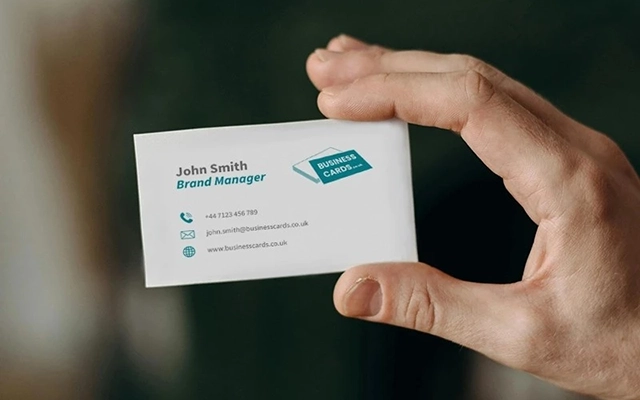
When you hand over a business card, the first thing someone notices isn’t the typography or logo—it’s how the card feels. That tactile experience leaves an immediate impression.
A lightweight, flimsy card may suggest a lack of care or professionalism. In contrast, a thicker, well-crafted card communicates credibility and attention to detail—qualities that influence how your business is remembered long after the initial exchange.
In a competitive environment, the right paper choice can make your brand stand out long after the handshake.
GSM (grams per square metre) is the standard measurement for paper weight in the UK. It indicates the density and thickness of the stock. The higher the GSM, the thicker and more rigid the card.
Some printers may also refer to thickness in points (pt), where 14 pt roughly equates to 300–350 GSM, and 32 pt aligns with luxury-grade cards. For an overview of accepted GSM ranges and classifications, refer to UK printing standards from the British Printing Industries Federation.
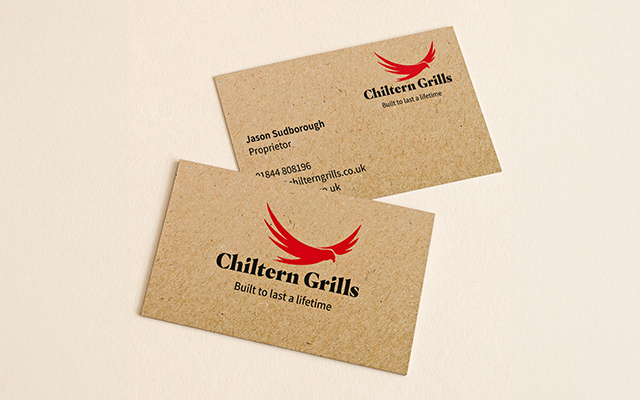
The paper you select affects more than durability—it influences colour reproduction, texture, writability and overall perception. Below are the most common options available in the UK:
Sustainability is increasingly central to brand identity. Fortunately, eco-friendly business card papers now rival traditional stocks in both quality and appearance.
Recycled or FSC-certified papers not only reduce environmental impact but also reinforce brand values around sustainability and ethics. Eco choices no longer require a trade-off in quality. FSC-certified paper ensures sourcing from responsibly managed forests. Learn more about FSC certification in the UK.
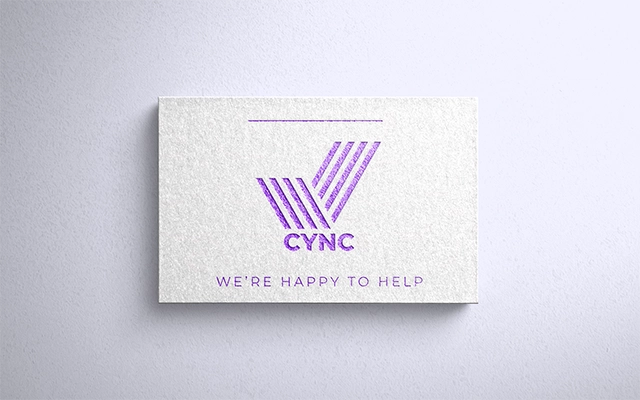
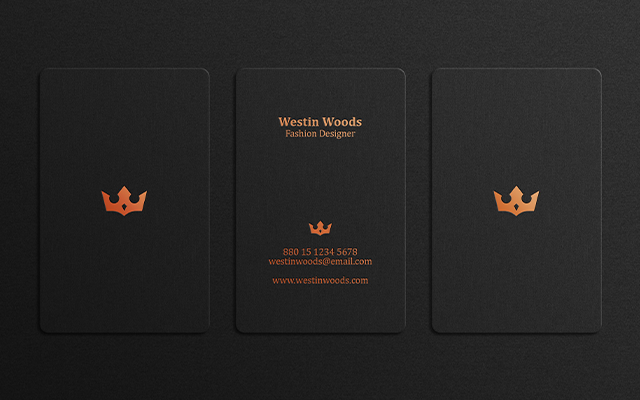
The best paper for your business cards depends on your industry, design aesthetic and how the cards will be used. Here’s how to align paper choices with your brand:
By aligning material choices with your brand personality, your business card becomes a more meaningful representation of who you are.
Business card pricing in the UK is usually determined by paper weight, finish and quantity. However, you don’t need the most expensive option to achieve a strong impact.
If you regularly attend networking events or exhibitions, it may make sense to order two sets: one standard for everyday use and one premium for select clients. This balances budget with brand experience.
The paper you choose is just as important as the design you print on it. A well-made business card, crafted from the right materials, does more than share contact details—it sets expectations, builds trust, and supports brand recognition.
Whether you’re printing in bulk for team distribution or designing a select batch for key clients, the right choice of GSM, finish and stock can help ensure your cards reflect the quality of your business.
Ready to create business cards that leave a lasting impression? Explore high-quality paper stocks and order with confidence today.

Business Cards UK
Unit 4-10 Stanton Road Ind. Est.
Stanton Road
Southampton
Hampshire
United Kingdom
SO15 4HU
© businesscards.co.uk 2026 | Unit 4-10 Stanton Ind. Est, Southampton, Hampshire, UK SO15 4HU