The standard UK business card measures 85mm × 55mm, but variations like square, mini, and folded A well-designed business card remains a powerful tool for in-person branding and lasting impressions. Creative layouts, smart materials, and interactive features can help your business card stand out in competitive UK markets.
In an increasingly digital world, business cards remain a valuable part of face-to-face networking across the UK. Whether you’re attending trade shows, client meetings, or local events, a well-crafted card is more than just contact information—it’s a tactile reflection of your brand. For anyone offering business cards or related services, this compact format can open big opportunities when done right.
A truly effective card doesn’t just share details—it makes a lasting impression. In this guide, we’ll explore a multitude of innovative business card design ideas, backed by visual strategy and design psychology, to help your business stationery printing make an impact.
Design isn’t just about aesthetics—it influences how people respond emotionally and visually. Colour plays a central role in guiding attention and shaping first impressions, making it a powerful element in your business card design.
Here’s how colour choices can influence perception:
To guide the eye effectively, maintain a clear visual hierarchy: bold titles, generous spacing, and contrast between background and text. Let your most important details—like your name or business name—stand out naturally using size, weight, or colour contrast.
Typography isn’t just for readability—it can be a defining visual element. When used creatively, type can set the tone of your brand at a glance. Clean sans-serifs convey modernity and confidence, while serif fonts can suggest tradition and trust. For bolder impact, consider:
Consistency with your brand’s font family across all materials—from cards to signage—reinforces recognition and trust.
Every profession calls for a slightly different approach to business card design. Subtle adjustments to format, colour, and finish can help your card speak directly to your intended audience.
By aligning your print design with your industry’s tone and audience expectations, your card becomes more than just informative—it becomes intuitive.
While clean layouts and sharp content make a card functional, tactile print finishes turn it into an experience. These details elevate both perception and memorability:
These finishes not only enhance the look and feel but suggest craftsmanship and premium quality that clients remember.
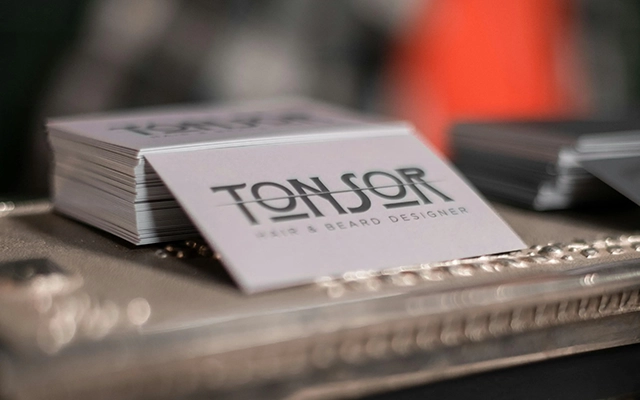
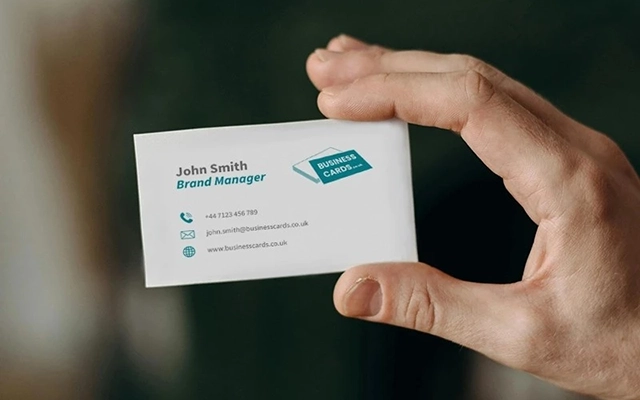
If your card needs to share more than a name and number, folding formats provide additional real estate—without cluttering the front. These less common styles stand out in tactile and visual ways:
Used sparingly and with clear layout planning, these structures turn your business card into a mini brochure or branded experience.
Physical business cards are evolving to keep pace with digital expectations. By incorporating smart features into your printed design, you can seamlessly connect offline interactions with online experiences.
Smart features enhance printed cards without replacing them—giving recipients something they can keep, scan, and engage with on their own terms.
Small details go a long way in helping your business card feel more human and memorable. Consider ways to add an authentic personal touch:
These gestures show thoughtfulness, reinforce your brand personality, and help spark conversation at events or meetings.
The thickness of your business card not only affects its durability but also shapes how your brand is perceived. A flimsy card can undermine credibility, while a firm, weighty one suggests professionalism and attention to detail.
In the UK, card thickness is typically measured in GSM (grams per square metre) or microns for plastic stock. Here’s a general guide:
Pairing the right thickness with your finish—matte, silk, or uncoated—can dramatically enhance the sensory impact of your card.
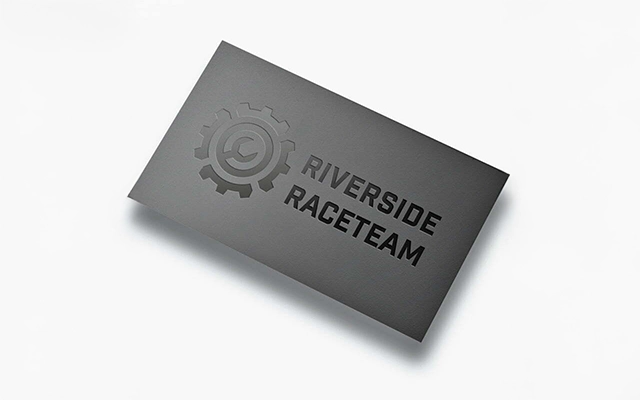
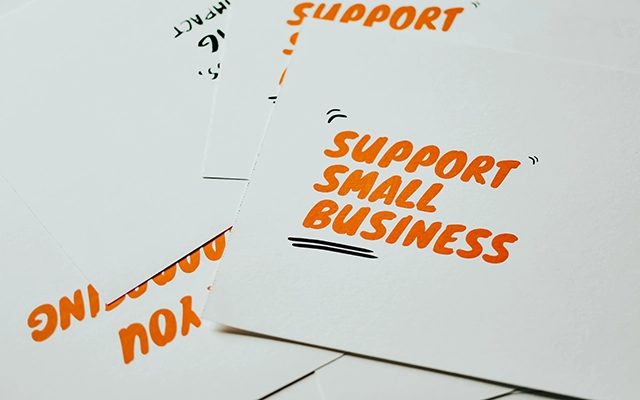
Before sending your business card design to print, take time to create a high-resolution mockup. This allows you to evaluate alignment, spacing, and contrast across multiple screen types—and catch issues early.
Mockups are especially useful when trying out less traditional formats like vertical orientation, folds, or edge painting.
The first touchpoint with your card doesn’t have to be the card itself—it could be its holder. Presentation adds an extra layer of branding and care, especially for in-person handovers, event packs, or high-value leads.
When you combine great design with intentional presentation, your business card becomes more than a takeaway—it becomes part of your brand story.
Once your design is finalised, choosing the right printer can make or break the final result. The best printers will offer a balance of quality, flexibility, and support—especially when working with advanced finishes or formats.
Here’s what to look for when selecting a UK-based business card printer:
Working with a printer that understands both design intent and technical constraints ensures your card not only looks stunning but performs reliably across touchpoints.
In today’s crowded and competitive UK market, a memorable business card still holds power. Whether you opt for modern materials, bold typography, sustainable practices, or interactive features, your design choices should reflect what your brand stands for—and how you want to be remembered.
From shape and stock to print finish and presentation, each element has a role in turning a simple card into a statement. The best business cards don’t just share contact details—they express personality, instil trust, and spark conversations.
Next step? Turn inspiration into action by drafting a design, testing your layout, and selecting finishes that align with your vision. Whether it’s ultra-minimal or full of texture, your business card is a small format with big potential.

Business Cards UK
Unit 4-10 Stanton Road Ind. Est.
Stanton Road
Southampton
Hampshire
United Kingdom
SO15 4HU
© businesscards.co.uk 2026 | Unit 4-10 Stanton Ind. Est, Southampton, Hampshire, UK SO15 4HU