
Perforation Explained
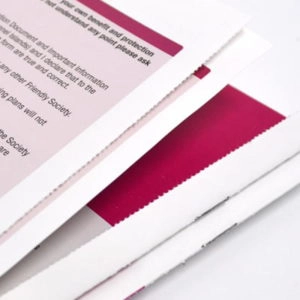
The term perforation is used to describe a series of small holes applied to paper or card, allowing a section to be cleanly torn away without damaging the remaining piece. When used on business cards, perforation can create a detachable section such as a voucher, appointment reminder, or promotional tear-off. Adding perforations, often referred to as perf lines, removes the need for scissors and adds convenience for the recipient. For example, a perforated business card can be kept in a wallet, with the tear-off portion used separately when needed.
Perforations are applied using either a perfing wheel or a die-cutting process, which presses the perforated line into the material. The method used depends on the number of perforations required and the overall quantity of the print run.
While perforations are most commonly used to create tear-off sections, they can also be used as an alternative to scoring, helping thicker business cards or multi-fold designs sit flatter once finished.
Perforations are applied using either a perfing wheel or a die-cutting process, which presses the perforated line into the material. The method used depends on the number of perforations required and the overall quantity of the print run.
While perforations are most commonly used to create tear-off sections, they can also be used as an alternative to scoring, helping thicker business cards or multi-fold designs sit flatter once finished.
Considerations
Before adding perforation to your printed materials, there are a few practical factors to consider. Artwork setup, paper weight, and the number and placement of perforation lines can all affect how well the finished product performs and how cleanly it tears.
Artwork
When supplying artwork please show the perf lines as a series of dashes in a spot colour (most commonly magenta). These lines will be removed from the artwork before printing takes place.
Consider The Paper Weight
Perforation isn’t recommended for paper weights of less than 135gsm for leaflets and booklets.
Consider How Many Perfs You’ll Need
The basic perforation has just one line to create a single tear off sheet, but, this can be increased to several lines either vertically or horizontally. You might want to create tear off boxes by having your perfs running both vertically and horizontally or you may need your perfed line to be in the shape of an ‘L’ or ‘T’.
Standard Perfing vs Microperfing
The holes which have been cut into the paper will cause a serrated edge to be left behind once the tear off section has been removed. This is fine for most items, e.g tickets, vouchers etc but sometime a neater edge will be desirable. In this instance microperfing is the answer.
As its name suggests microperfing uses much smaller holes to create a perforation which is just as strong but leaves behind a neater torn off line.
As its name suggests microperfing uses much smaller holes to create a perforation which is just as strong but leaves behind a neater torn off line.
Using Perforations on Business Cards
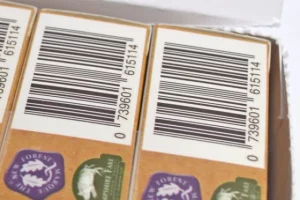
Perforations can be added to business cards to create a clean tear-off section, such as a voucher, appointment reminder, or promotional tab. This allows part of the card to be easily removed while keeping the main card intact for ongoing reference.
When using perforation on business cards, it’s important to choose a suitable paper weight to ensure the tear-off performs cleanly without weakening the remaining card. Thicker stocks are generally recommended to maintain durability once the perforated section has been removed.
You should also allow enough space between the perforation line and the edge of the card to prevent tearing into the main design. Careful placement of the perf line helps ensure the finished business card remains neat, practical, and professional in use.
When using perforation on business cards, it’s important to choose a suitable paper weight to ensure the tear-off performs cleanly without weakening the remaining card. Thicker stocks are generally recommended to maintain durability once the perforated section has been removed.
You should also allow enough space between the perforation line and the edge of the card to prevent tearing into the main design. Careful placement of the perf line helps ensure the finished business card remains neat, practical, and professional in use.
Business Card Perforations
If you’re considering perforation for your business cards and want to be sure it’s suitable for your design and paper stock, our team is happy to help. We can advise on layout, paper weight, and perforation placement to ensure the best possible result before your cards go to print.